 Behance
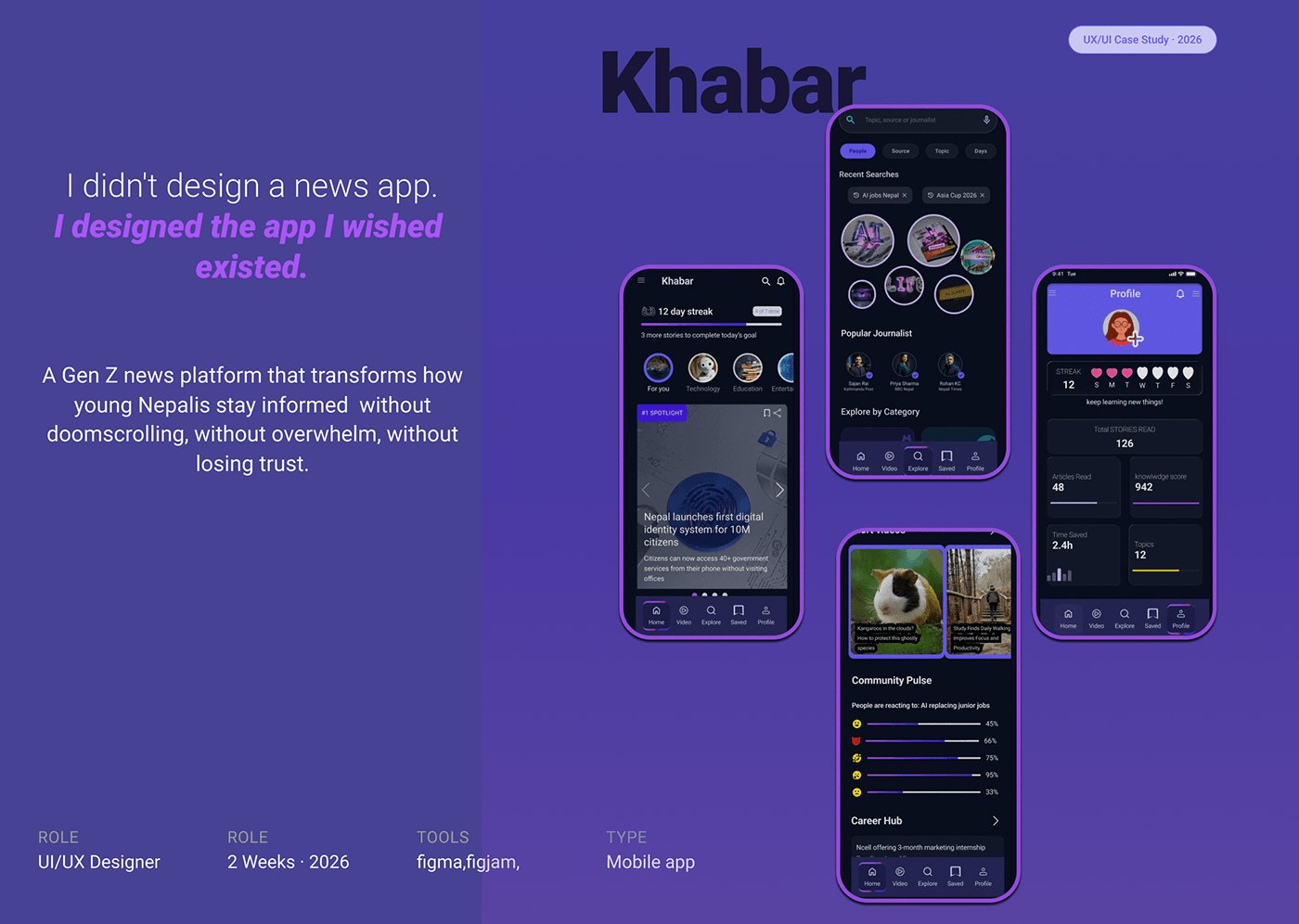
Khabar — Gen Z News Experience
News designed for scanning, saving and arguing about — without the doomscroll.
View on BehanceUI/UX designer · sketch artist · psychology-minded
Sadikshya Chhetri — Product & UI/UX Designer
Paper first. Instinct second. Pixels last.
I help teams turn complex product problems into calm, trustworthy interfaces — from Gen Z news apps to hospitality booking flows. Psychology background, pencil in hand, shipped work across fintech, healthcare, and e-commerce.

…and the paper always wins.
Designer, sketch artist, psychology-minded. I believe AI generates — but it doesn't create. That part still needs a person who has looked closely at people.
Selected work
Experience
At Seamics I stopped designing in a vacuum. I sat in client calls, defended decisions out loud, handed files to developers, and watched my screens turn into something people actually use.
Where design stopped being homework.
I worked side by side with the dev team — component-level handoff, shared naming, spacing and state specs, and quick review loops instead of a thrown-over-the-wall Figma link. When something wasn't buildable, we redesigned it together the same day.
I joined requirement calls and review sessions, translated business asks into user problems, presented options with reasoning, and turned feedback into scoped revisions the same week.
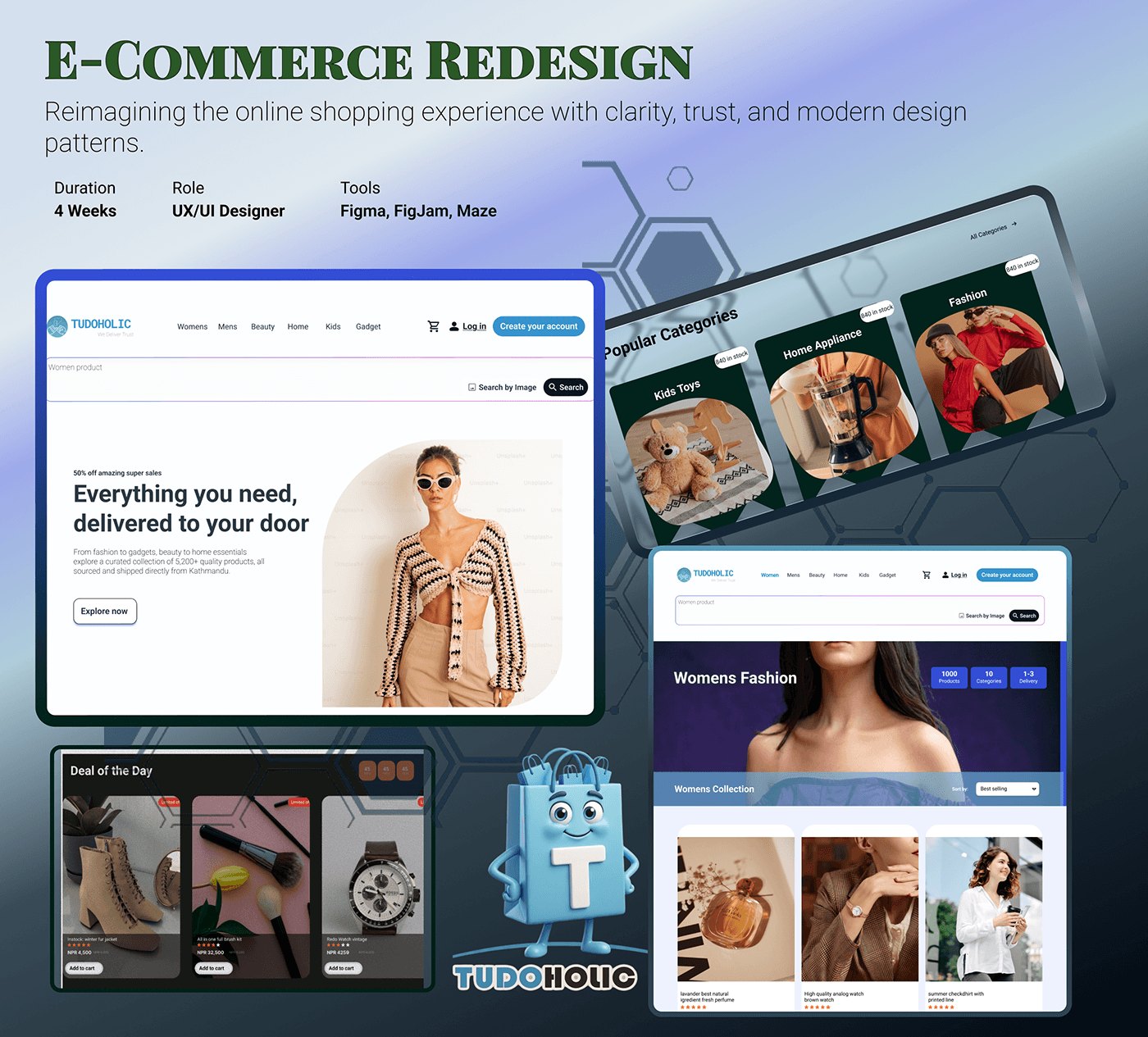
Seamics' own website redesign, Nivix Pharmaceuticals, and Hotel Travelers Home — each taken from research and sketches through wireframes, UI, prototype and developer handoff.
Rebuilt the company's own site — clearer service story, stronger hierarchy, and a homepage that finally explains what Seamics does in one scroll.
A trust-first rebuild of a dense pharma site: readable product information, calmer layout, and a structure patients and partners can navigate without help.
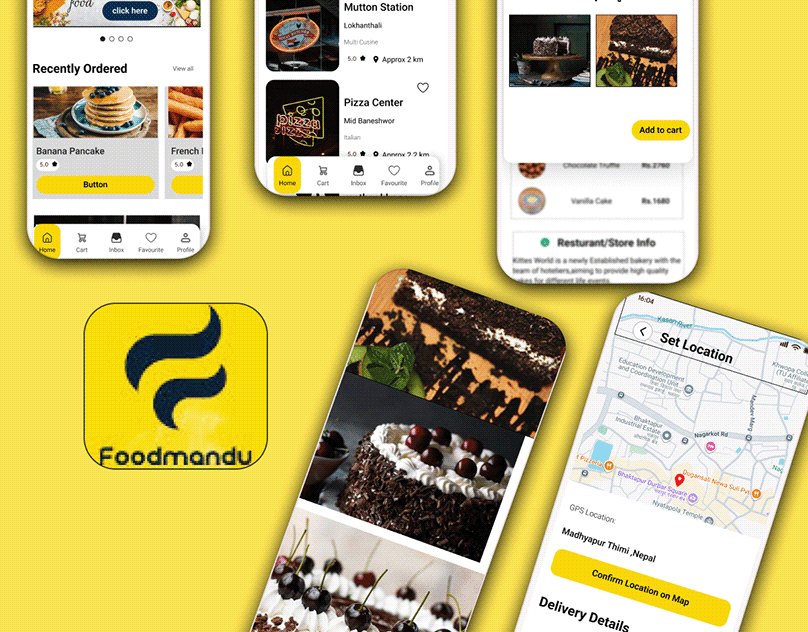
Booking reduced to three warm, obvious steps — fewer drop-offs, faster path from browsing a room to confirming a stay.
Point of view
Generation is cheap now. Judgment isn't.
I use AI the way I use a pencil sharpener — it removes friction. Wireframes, layout variants, first-pass UI: things that used to eat two days now take an afternoon, which means I get to spend that time on the part that matters.
In practice: I sketch and wireframe fast with Claude and Cursor, prototype real interactions in Framer, and use Lovable to test ideas live in the browser. But the tools only get me to options — deciding which option actually earns a user's trust, that's not something AI does for me.
What a person feels in the first three seconds, where hesitation creeps in, which word makes someone tap and which makes them close the tab — those are emotional, experiential, psychological calls. I make them, and I can explain every one.
Sketchbook


How I work
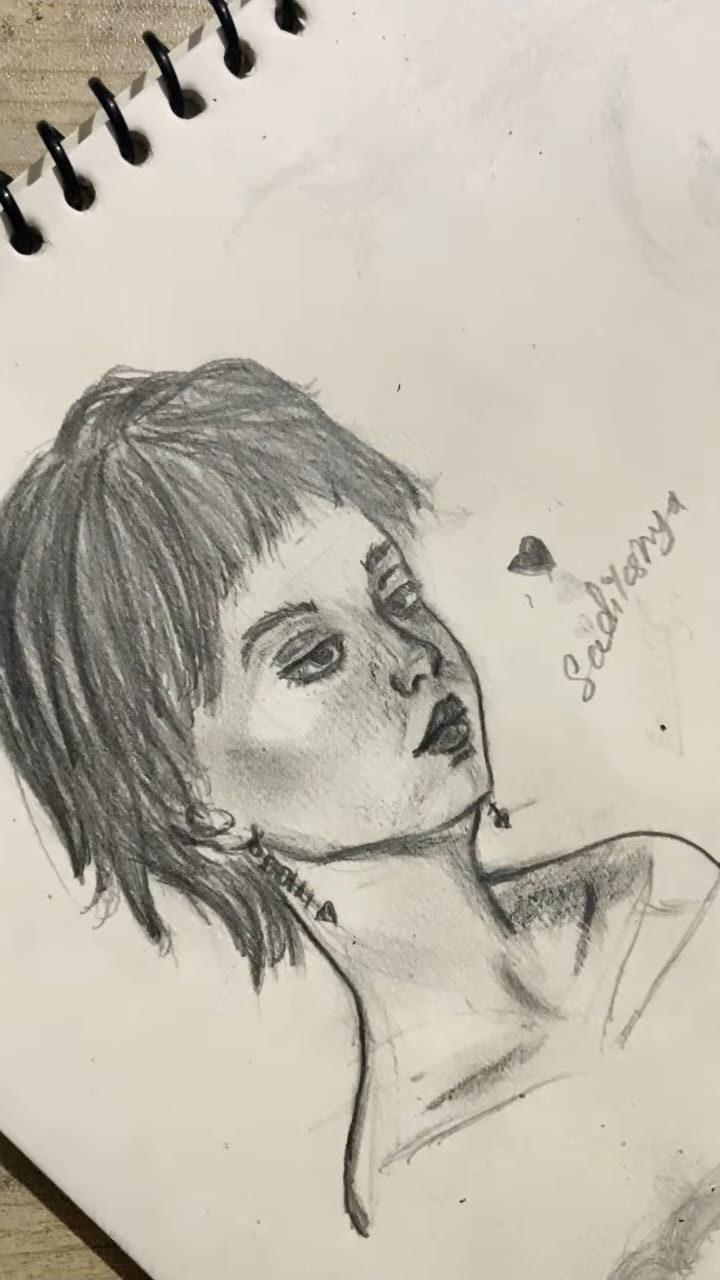
Every screen starts on paper. Anatomy, perspective, instinct — before any tool touches it.
I move fast with AI-assisted tools to explore directions, layouts, and edge cases in hours, not days.
The final call — what a user feels first, what earns their trust — that judgment is mine, not generated.
Paper to shipped
Hover a frame to hold it. Everything I make walks this strip.
Skills
learning is the job.
UX research, user flows, wireframing, interface design, design systems and clickable prototypes in Figma — from a blank page to a spec a developer can build without asking me twice.
The part I love most. Behavioural cues, cognitive load, trust and hesitation — I read a screen the way I'd read a person, and I design for the pause before the click.
HTML, CSS and JavaScript basics, plus Python fundamentals. Enough to read a component, understand what's cheap or expensive to build, and speak the same language as the dev team.
My fastest gear. I can turn a rough idea into something clickable and testable the same day using Figma, Framer and AI-assisted tooling — options in hours, not weeks.
Currently deepening this: transitions, micro-interactions and timing that make an interface feel alive instead of merely correct.
AI/ML fundamentals and data-informed design — I want to design systems that think, not just screens that look good.
Design philosophy
I studied psychology before I studied grids. I design for hesitation, fear of getting it wrong, and the quiet relief of an interface that behaves the way you expected.
If a screen needs explaining, it isn't finished. I'll trade a beautiful idea for an obvious one every time.
Nothing on my screens is there because it looked nice in a template. I can walk you through why each element earns its space.
Process
The brief is rarely the problem. I ask what the user is actually trying to finish, and where they currently give up.
I walk the existing flow step by step and mark every place that adds doubt — unclear labels, hidden costs, too many choices at once.
Paper first, fast. Three or four directions before I fall in love with any of them.
A clickable flow beats an argument. I watch where people pause — the pause is the finding.
I pick the direction, document states and edge cases, and stay with the developers until it ships the way it was designed.
Still mostly a person who draws.
About
I came to product design through psychology and drawing, not through a tools course. I'm an INFJ, which mostly means I notice the small hesitation before someone clicks, and I can't unsee it once I have.
I trained at Digital Pathshala and have been building since — client work, redesigns, and a sketchbook that never really closes. Ambition beyond product design: I want to keep being an artist, not just someone who arranges rectangles well.
Right now I'm deepening my motion design skills and learning the fundamentals of AI/ML — I want to eventually design systems that think, not just screens that look good.